

Technology is no longer confined to offices, laboratories, or specialized industries. Today, it has become an integral part of everyday life, shaping how people work, communicate, travel, manage health, and even relax. The modern tech lifestyle is characterized by convenience, connectivity, and intelligent solutions that help individuals live more efficiently while maintaining balance in an increasingly fast-paced world.
One of the most visible changes in modern living is the rise of smart homes. From voice-controlled lighting systems and intelligent security cameras to automated climate control and energy-efficient appliances, smart technology has transformed homes into responsive environments. These innovations not only improve comfort but also contribute to sustainability by reducing unnecessary energy consumption.
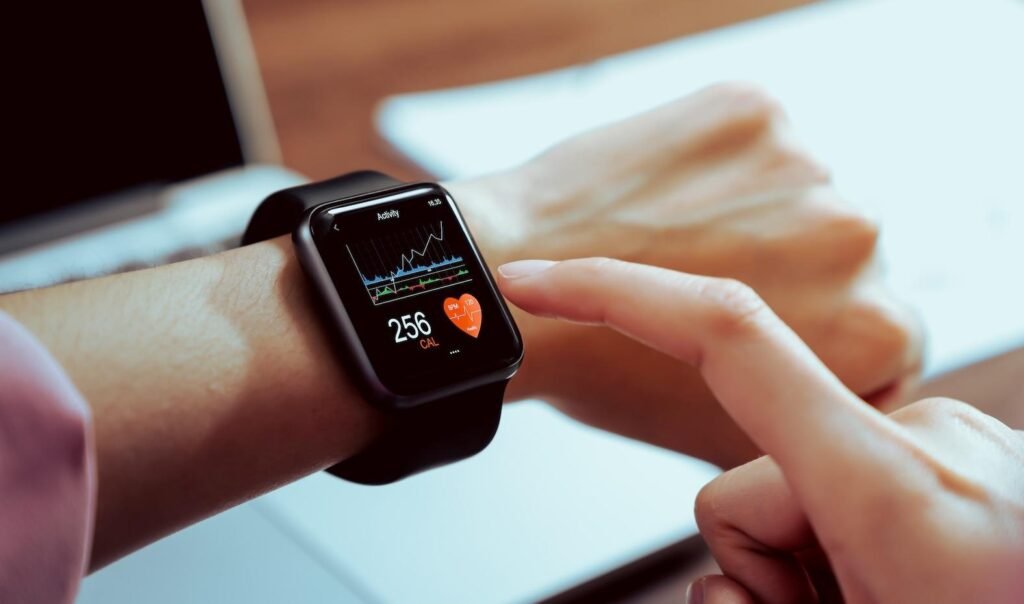
Health and wellness have also been significantly enhanced through technological advancements. Wearable devices such as smartwatches and fitness trackers enable users to monitor heart rate, sleep patterns, physical activity, and stress levels in real time. These devices provide valuable insights that encourage healthier habits and empower individuals to take a proactive approach to personal well-being. Artificial intelligence is increasingly being used to analyze health data and provide personalized recommendations, making healthcare more accessible and preventive.
The way people work has evolved dramatically as well. Remote and hybrid work models, supported by cloud computing, video conferencing, and collaborative software platforms, have redefined traditional workplaces. Professionals can now connect with colleagues and clients from virtually anywhere in the world. This flexibility has given rise to the digital nomad lifestyle, where individuals combine work and travel while remaining productive through reliable internet connectivity and mobile technologies.
Travel experiences themselves have become smarter and more convenient. Mobile applications assist with navigation, booking accommodations, translating languages, and managing itineraries. Artificial intelligence-powered recommendations help travelers discover destinations, restaurants, and experiences tailored to their interests. Digital payment systems have further simplified international travel by reducing the need for physical currency and enabling secure transactions worldwide.
Entertainment and social interaction have also undergone significant transformation. Streaming platforms, virtual reality experiences, online gaming communities, and social media networks have created new ways for people to engage with content and connect with others. Technology enables individuals to share experiences instantly, participate in global conversations, and access information from virtually any location.
Despite these benefits, maintaining a healthy relationship with technology remains essential. Digital wellness practices such as screen-time management, mindful technology use, and regular breaks from digital devices help individuals avoid burnout and maintain mental clarity. The most successful tech lifestyle is not about constant connectivity but about using technology intentionally to improve quality of life.
As innovation continues to accelerate, technologies such as artificial intelligence, augmented reality, smart mobility, and sustainable energy solutions will further influence daily living. The future promises even greater integration between technology and lifestyle, creating opportunities for enhanced productivity, well-being, and personal fulfillment.
Ultimately, technology is most valuable when it serves human needs. By embracing innovation thoughtfully and responsibly, individuals can enjoy a balanced lifestyle where technology acts as a powerful tool for growth, convenience, and meaningful experiences.