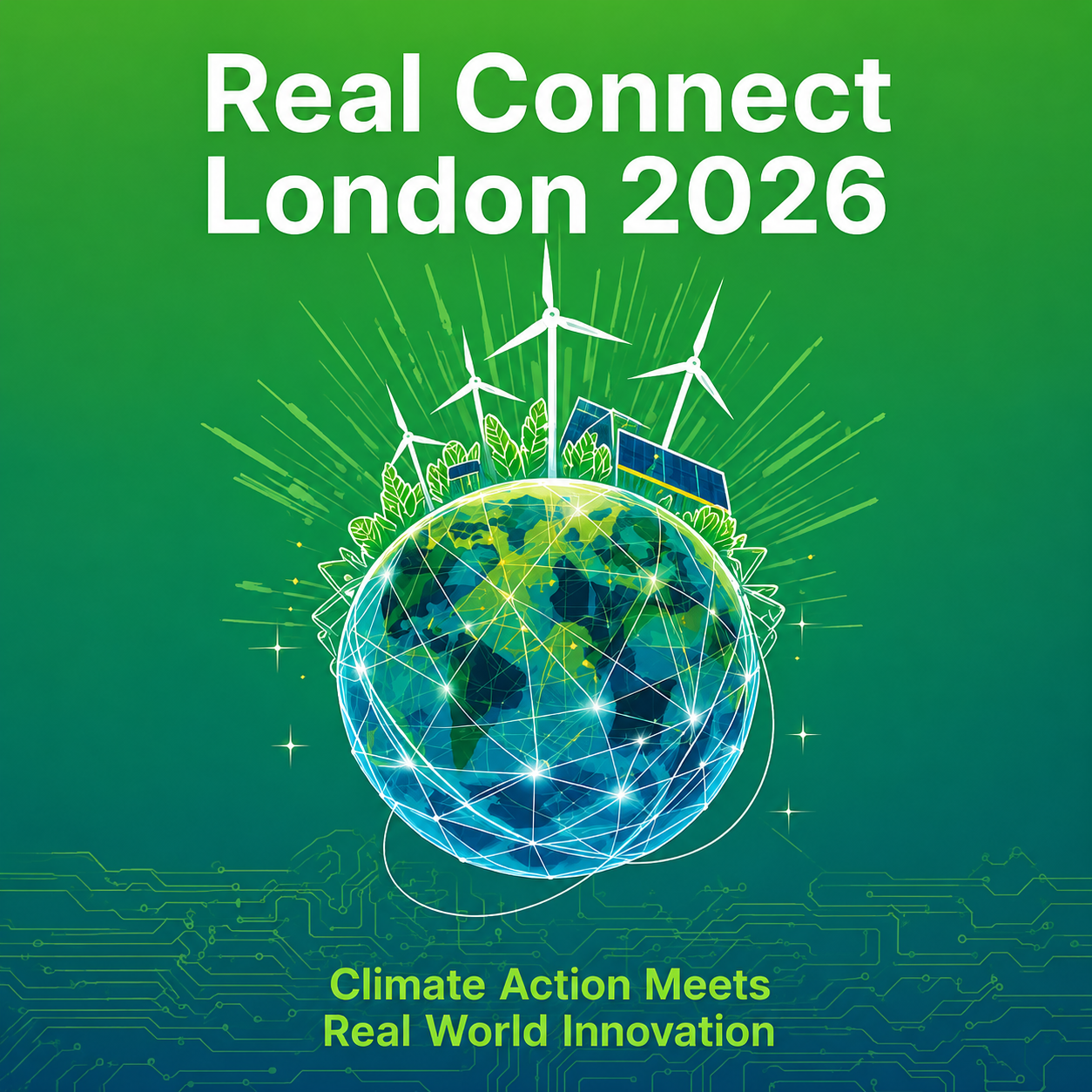
London is once again positioning itself at the centre of global climate dialogue as Reset Connect London 2026 prepares to bring together thousands of sustainability leaders, investors, innovators, and policymakers. Taking place on June 23–24 at ExCeL London, the event is more than a conference; it is a working space for ideas, investment, and action aimed at accelerating the UK’s net-zero transition.
At a time when climate ambition is rising but execution still struggles to keep pace, the event arrives with a clear purpose: to close the “implementation gap” between vision and reality. Across industries, governments and businesses continue to develop ambitious sustainability targets, yet turning those targets into measurable progress remains a challenge. Reset Connect London positions itself directly within this gap, aiming to turn discussion into delivery.
This year’s edition is expected to host over 7,500 professionals, including more than 300 exhibitors and around 2,500 investors, making it one of the most significant sustainability gatherings in Europe. As part of London Climate Action Week, the event reflects a broader shift in how climate innovation is being approached not as a separate initiative, but as a central pillar of economic and technological development.
A defining feature of Reset Connect is its structure, which is built around six thematic stages, each focusing on a different dimension of the net-zero transition.
The Net Zero Business stage explores how corporations can move from sustainability commitments to practical decarbonisation strategies. Conversations here focus on real-world implementation, including how industries such as advertising, manufacturing, and global trade can actively contribute to reducing emissions. Leaders from major organisations are expected to share insights into how businesses can align growth with environmental responsibility.
The Finance and Investment stage highlights one of the biggest drivers of climate progress: capital. With trillions of pounds circulating globally in sustainable finance, the challenge is not availability but direction. Discussions at this stage focus on how private capital, banks, and financial institutions can accelerate climate-tech innovation. Topics such as impact investing, green growth, and risk management take centre stage, reflecting the increasing role of finance in shaping climate outcomes.
Urban transformation is the focus of the Cities and Infrastructure stage, where experts discuss how cities can be redesigned for resilience and sustainability. From sustainable transport systems to low-carbon housing and plastic waste reduction, the emphasis is on building environments that are not only efficient but also adaptable to future climate pressures. As cities like London continue to expand, the importance of sustainable urban planning becomes even more critical.
The Energy and Tech stage connects climate goals with technological innovation. Clean energy systems, AI-driven infrastructure, and digital transformation are key themes. Industry leaders explore how emerging technologies are reshaping energy networks and enabling smarter, more efficient systems. One of the central ideas here is that the net-zero transition is impossible without technological advancement, particularly in areas like artificial intelligence, energy storage, and data infrastructure.
Nature-based solutions offer a different but equally important perspective. Instead of focusing purely on technology, this stage highlights the role of ecosystems in achieving climate goals. Topics such as biodiversity, sustainable agriculture, and land restoration show how natural systems can actively support carbon reduction strategies. The discussions reflect a growing understanding that climate solutions must integrate both innovation and environmental preservation.
Finally, the Pitch & Invest stage serves as a launchpad for emerging climate-tech startups. It is designed to connect early-stage innovators with investors and industry leaders, helping scale ideas that might otherwise remain in development. The competitive pitch environment also ensures that only the most impactful solutions gain visibility, reinforcing the event’s focus on real-world outcomes.
Beyond these stages, Reset Connect London also focuses on three major barriers that continue to slow down global climate progress: capital access, cross-sector collaboration, and scalability. The event highlights how financial constraints, regulatory complexity, and fragmented innovation ecosystems often prevent promising solutions from reaching large-scale adoption. By bringing stakeholders together in one space, the event aims to create stronger alignment between policy, finance, and technology.
What makes Reset Connect London particularly significant is its emphasis on “intentional collaboration.” Instead of isolated conversations, the event encourages structured interaction between industries that do not always operate in the same space from policymakers and investors to engineers and entrepreneurs. This cross-sector dialogue is increasingly seen as essential for solving complex climate challenges.
As the world moves closer to 2030 climate targets, the urgency behind such collaboration continues to grow. Reset Connect London 2026 reflects this urgency not through abstract promises but through a focus on practical pathways, investment opportunities, and scalable innovation.
In many ways, the event represents a shift in how climate action is being framed. It is no longer just about awareness or ambition, it is about execution, accountability, and measurable impact. London, through platforms like Reset Connect, is positioning itself not just as a participant in the global climate conversation but as a key driver of solutions.