

Photo: @dakotajohnsonscloset / Instagram
Image Credit: Dakota Johnson’s Closet (@dakotajohnsonscloset), Instagram
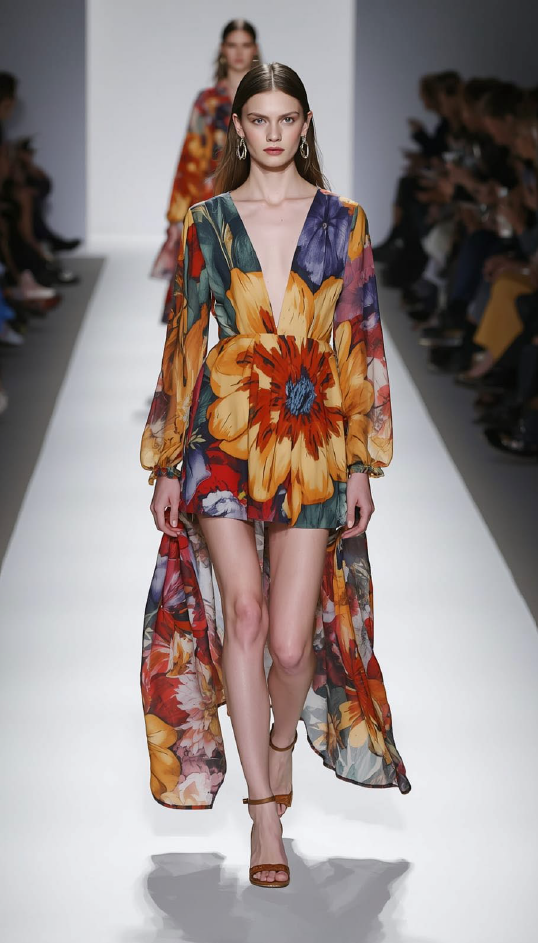
London Fashion Week 2026 Runway
London has always had a reputation for doing things differently. While other fashion capitals often celebrate perfection and predictability, London thrives on experimentation, individuality, and the art of rewriting tradition.
This spirit was on full display at London Fashion Week 2026, where designers proved that classic style never truly goes out of fashion it simply evolves.
Despite the absence of several established names, this season delivered no shortage of creativity. Designers both familiar and emerging brought fresh perspectives to timeless elements, offering collections that felt unmistakably British yet entirely contemporary. From reimagined tailoring to romantic silhouettes and bold splashes of colour, the runways reflected a fashion landscape that embraces heritage while looking firmly toward the future.
One of the strongest statements of the season came through the return of tartan. Long associated with British identity, plaid was given a modern refresh through unexpected colour combinations, oversized patterns, and contemporary cuts. Designers transformed the traditional fabric into something more dynamic, proving that heritage prints can feel just as relevant in 2026 as they did decades ago. Whether incorporated into outerwear or tailored pieces, tartan emerged with a confidence that felt both nostalgic and forward-looking.
Florals also made an unexpected appearance. Typically associated with spring collections, flower motifs found new life in winter wardrobes. Rather than relying on bright seasonal interpretations, designers experimented with subtle layers, textured embellishments, and artistic influences. The result was a softer and more sophisticated approach that challenged the idea that florals belong only to warmer months.
Meanwhile, monochrome dressing continued to demonstrate its timeless appeal. Black and white combinations appeared throughout the collections, proving once again that simplicity often creates the strongest impact. Designers explored the pairing through layered pieces, colour-blocked garments, and contrasting textures, transforming a familiar combination into something strikingly modern.
While neutral shades remained influential, blue emerged as one of the season’s standout colours. From vivid cobalt tones to elegant navy hues, designers embraced the versatility of blue as both a statement and a classic. These shades appeared across dresses, tailoring, and outerwear, offering a refreshing alternative to traditional autumn palettes. The colour’s adaptability made it one of the easiest runway trends to translate into everyday wardrobes.
Another notable direction was the growing use of sheer fabrics. Often associated with spring collections, lightweight materials brought an element of softness to heavier seasonal looks. Designers used transparent layers to create contrast, balancing structured silhouettes with fluid movement. The result was a sense of elegance that felt delicate without sacrificing practicality.
Romantic influences also found their place on the runway. Inspired by historical references and the renewed popularity of period-inspired storytelling in popular culture, collections embraced lace detailing, cinched waists, and flowing silhouettes. Rather than recreating vintage fashion, designers interpreted these elements through a contemporary lens, blending femininity with modern craftsmanship. This balance between softness and structure created a mood that felt both nostalgic and refreshingly current.
Perhaps the most interesting evolution, however, came through tailoring. Long regarded as one of Britain’s greatest fashion strengths, tailoring was reinvented this season with unconventional techniques and unexpected details. Traditional suits were deconstructed and rebuilt with exposed seams, curved hemlines, and experimental finishes. The emphasis shifted from rigid perfection to individuality, reflecting a broader movement within fashion towards personal expression and creative freedom.
Texture also played a significant role throughout the collections. Metallic fabrics, sequins, and crystal embellishments brought an element of glamour to the season, adding movement and shine to otherwise understated silhouettes. Rather than overwhelming the designs, these luminous touches acted as accents, creating a balance between sophistication and drama.
What ultimately defined London Fashion Week 2026 was not a single trend but an attitude. Designers demonstrated that innovation does not always require abandoning the past. Instead, the season celebrated the power of reinterpretation taking familiar styles and presenting them in unexpected ways.
This ability to challenge convention while honouring heritage has long been one of London’s greatest strengths. In a year where fashion continues to evolve alongside culture, technology, and changing lifestyles, the city once again proved why it remains one of the world’s most influential style capitals.
As the season comes to a close, one thing is clear: London fashion is not about following rules. It is about rewriting them and doing so with confidence, creativity, and unmistakable character.