
In today’s fast-paced world, where stress, anxiety, and lifestyle-related illnesses have become increasingly common, many people are turning to ancient wellness traditions for balance and healing. Among the world’s oldest and most respected holistic health systems is the Chinese tradition of wellness, a philosophy that has guided physical, mental, and spiritual well-being for thousands of years.
At the heart of Chinese wellness lies the concept of harmony. Traditional Chinese philosophy believes that good health is achieved when the body’s vital energy, known as Qi (pronounced “chee”), flows freely and remains balanced. When this energy becomes blocked or disrupted, illness and discomfort may arise. The goal of Chinese wellness practices is therefore not merely to treat disease but to restore balance and prevent health problems before they occur.
One of the most recognized aspects of Chinese wellness is Traditional Chinese Medicine (TCM). This comprehensive healing system includes acupuncture, herbal remedies, massage therapies, dietary practices, and energy exercises. Acupuncture, which involves the gentle insertion of fine needles at specific points on the body, is believed to stimulate energy flow and support the body’s natural healing processes. Today, it is widely used around the world to help manage pain, stress, and various chronic conditions.
Another cornerstone of Chinese wellness is the use of herbal medicine. Chinese practitioners have developed extensive knowledge of medicinal plants over centuries. Herbs such as ginseng, goji berries, ginger, and astragalus are valued for their ability to strengthen immunity, improve vitality, and promote longevity. Rather than focusing on isolated symptoms, herbal formulations are often designed to support the body’s overall balance.


4
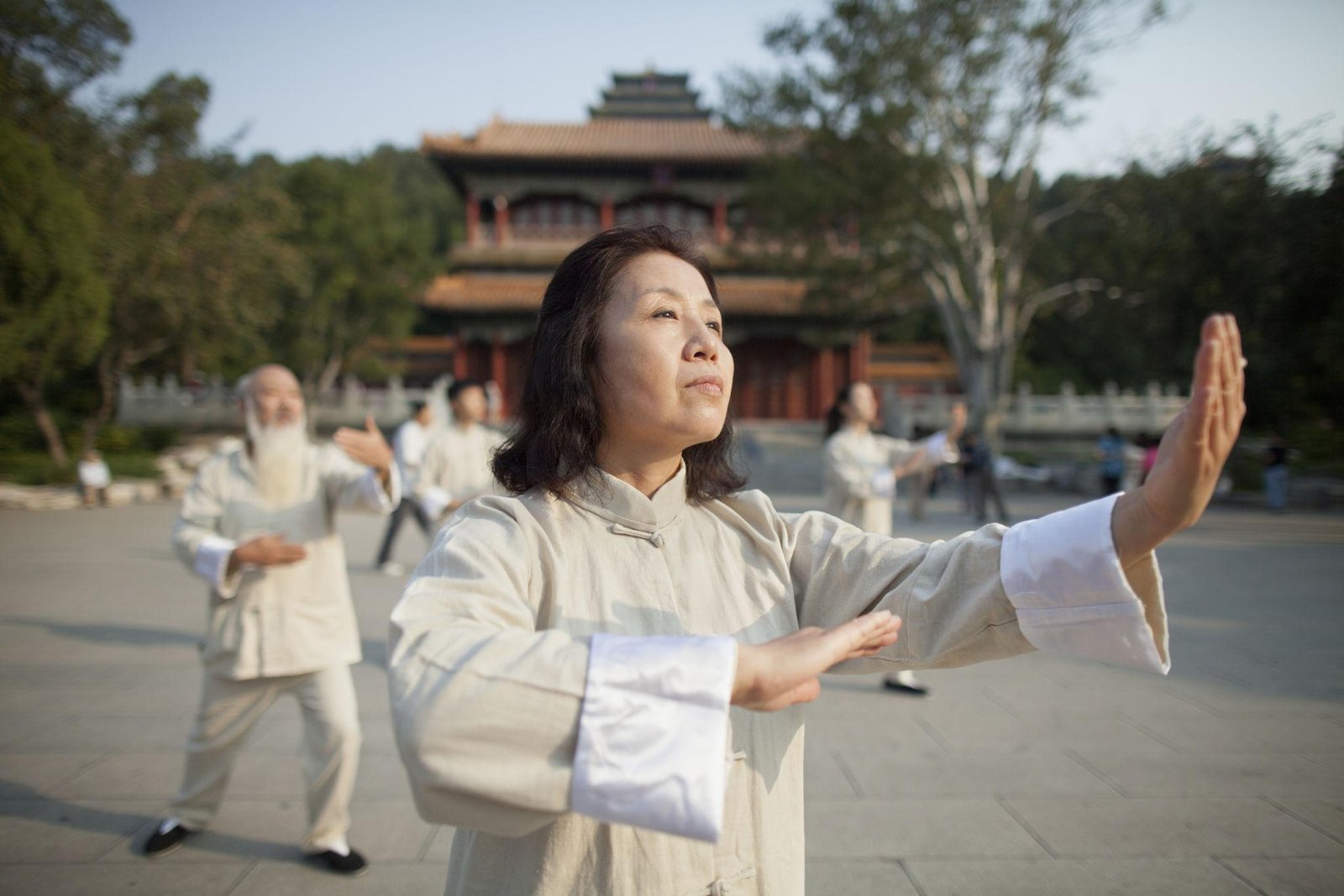
Physical movement also plays a crucial role in Chinese wellness traditions. Practices such as Tai Chi and Qigong combine slow, graceful movements with controlled breathing and mindful awareness. Often described as “meditation in motion,” these exercises help improve flexibility, balance, circulation, and mental clarity. Scientific studies have increasingly recognized their benefits in reducing stress and supporting healthy aging.
Diet is equally important in Chinese wellness philosophy. Food is viewed not only as nourishment but also as medicine. Traditional Chinese dietary principles emphasize seasonal eating, balanced flavors, and foods that support the body’s energetic needs. Warm soups, herbal teas, fresh vegetables, and naturally prepared meals are preferred over heavily processed foods. This approach encourages digestive health and overall vitality.
Beyond physical health, Chinese traditions place great importance on emotional well-being. Ancient teachings suggest that emotions and physical health are deeply connected. Practices such as meditation, mindful breathing, and spending time in nature help cultivate inner peace and emotional resilience.