
By Lifestyle & Fitness Editor
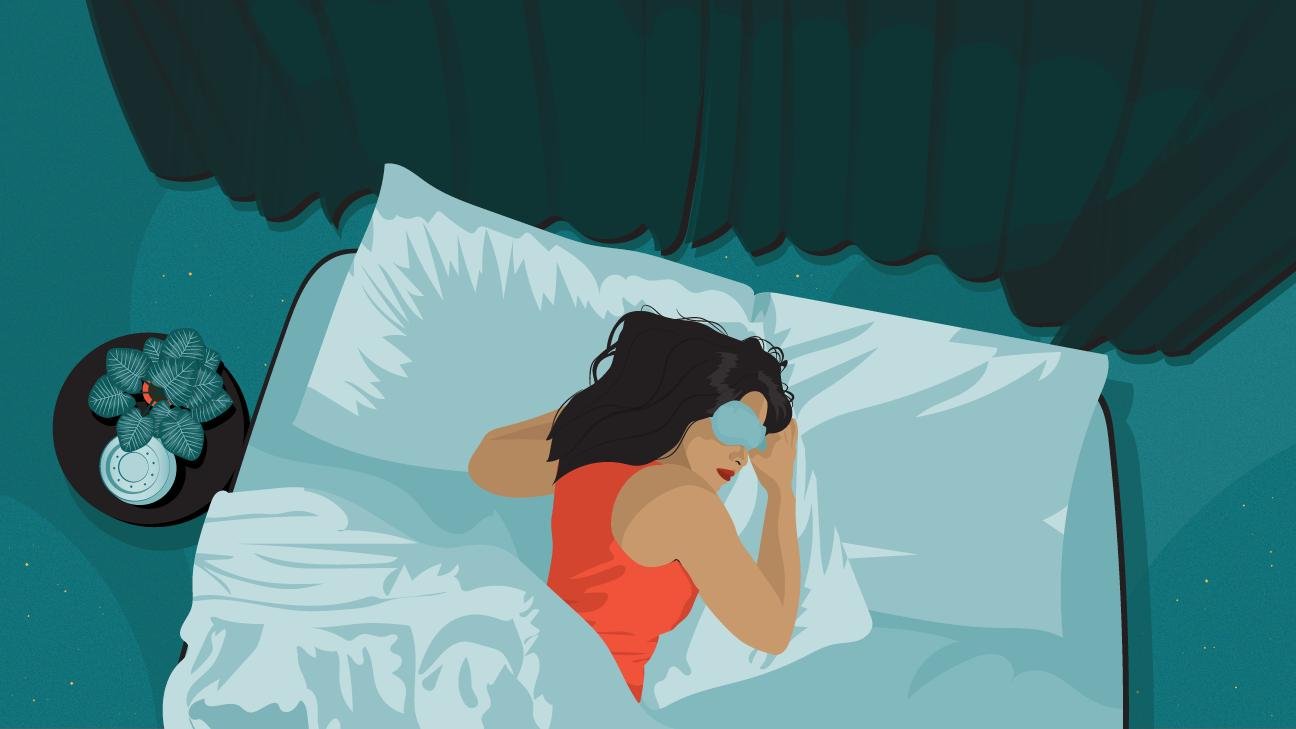
When discussing health and fitness, conversations often focus on exercise and nutrition. Yet one of the most powerful factors influencing overall well-being is frequently overlooked: sleep. Adequate, high-quality sleep is essential for physical recovery, mental performance, and long-term health.
Sleep is the body’s natural restoration process. During sleep, muscles repair, tissues regenerate, and important hormones are released. Athletes and fitness enthusiasts particularly benefit from quality sleep because it supports muscle recovery and performance enhancement. Without sufficient rest, even the best training programs can produce disappointing results.
Adults generally require seven to nine hours of sleep each night. Unfortunately, modern lifestyles often interfere with healthy sleep patterns. Excessive screen time, irregular schedules, stress, and caffeine consumption can all contribute to sleep deprivation.
One of the immediate effects of poor sleep is reduced cognitive function. Individuals who consistently sleep less than recommended may experience difficulties with concentration, memory, and decision-making. Sleep deprivation can also affect mood, increasing irritability, anxiety, and emotional instability.
Sleep plays a significant role in weight management as well. Insufficient sleep disrupts hormones responsible for hunger and satiety, often leading to increased cravings and overeating. Research suggests that chronic sleep deprivation may contribute to obesity and metabolic disorders.
The immune system also depends on proper rest. During sleep, the body produces proteins called cytokines that help fight infections and inflammation. Individuals who regularly get adequate sleep tend to experience stronger immune responses and faster recovery from illness.
Improving sleep quality often requires simple lifestyle adjustments. Establishing a consistent bedtime, reducing screen exposure before sleep, and creating a calm sleeping environment can make a substantial difference. Experts also recommend avoiding large meals and excessive caffeine late in the day.
Physical activity supports healthy sleep as well. Regular exercise helps regulate the body’s internal clock and promotes deeper sleep cycles. However, intense workouts should ideally be completed several hours before bedtime.
In today’s fast-paced world, sleep should not be viewed as a luxury but as a necessity. Just as healthy nutrition fuels the body and exercise strengthens it, sleep enables recovery, resilience, and optimal performance.
By prioritizing rest, individuals can improve energy levels, mental clarity, emotional well-being, and physical health. Sometimes, the most effective step toward better fitness is simply getting a good night’s sleep.its. It inspires individuals to stay active, embrace healthier lifestyles, and build lasting confidence through strength, movement, and personal growth.