The beauty industry is undergoing a remarkable transformation, and by 2030, beauty will be defined by far more than cosmetics and skincare. Technology, sustainability, personalization, and inclusivity are reshaping the way people perceive and experience beauty. The future of beauty is not about fitting into a predefined standard; it is about celebrating individuality while embracing innovation.
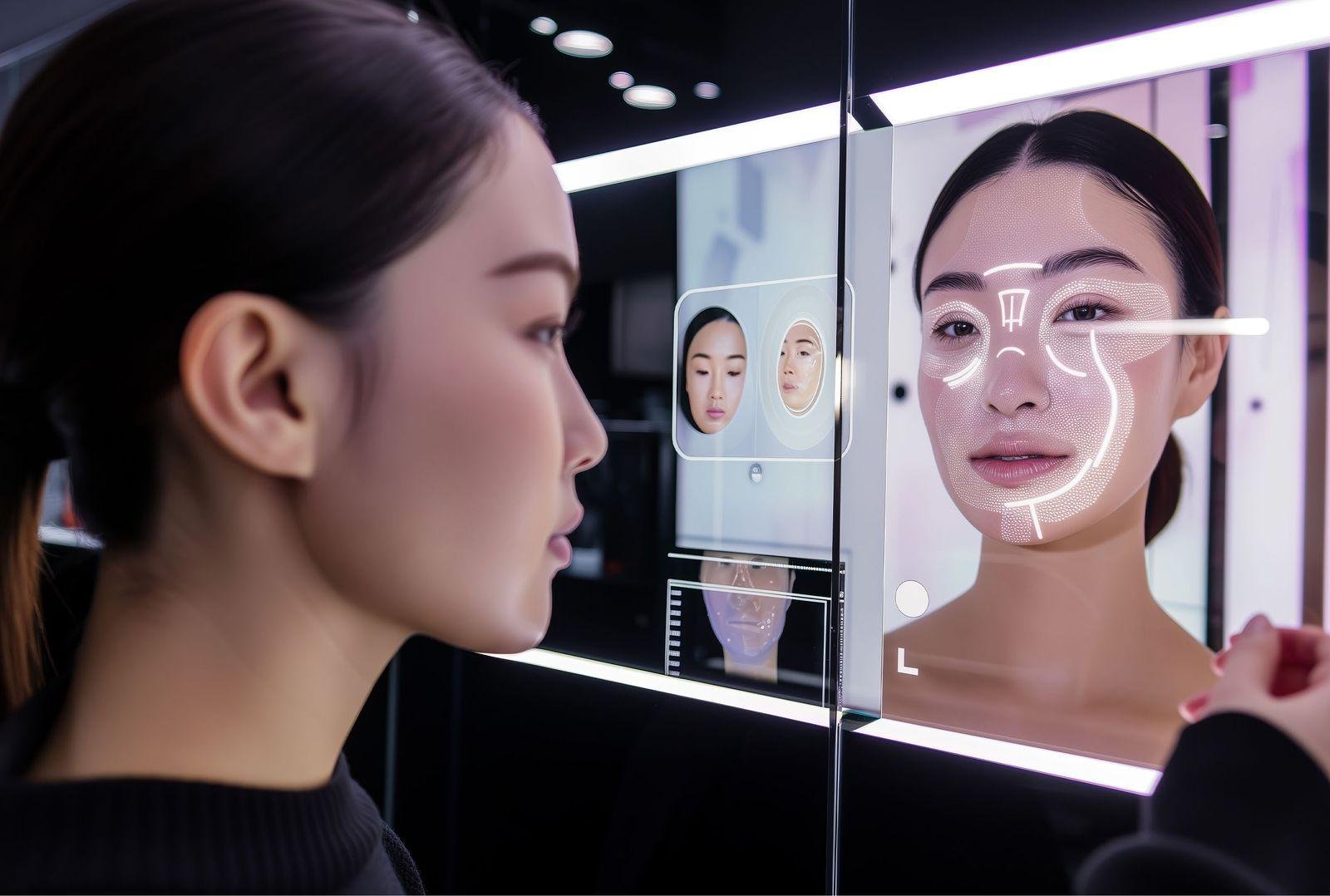
One of the most significant changes in beauty by 2030 will be the integration of Artificial Intelligence (AI). Smart beauty mirrors, AI-powered skin analyzers, and virtual beauty consultants will become common in homes and salons. These technologies will assess skin conditions, recommend personalized skincare routines, and even predict future skin concerns before they become visible. Consumers will no longer rely on generic products; instead, they will receive customized solutions tailored specifically to their skin type, lifestyle, and environmental conditions.
Sustainability will also play a central role in the future beauty landscape. As environmental awareness continues to grow, beauty brands will focus on eco-friendly packaging, biodegradable ingredients, and cruelty-free production methods. Refillable beauty products and zero-waste cosmetics will become industry standards rather than premium alternatives. Consumers will increasingly choose brands that demonstrate ethical responsibility and transparency throughout their supply chains.
The concept of inclusivity will evolve further by 2030. Beauty brands will offer products designed for every skin tone, age group, gender identity, and cultural background. Marketing campaigns will move away from unrealistic beauty ideals and instead highlight authenticity and diversity. The beauty industry will embrace the message that beauty exists in many forms, empowering individuals to express themselves confidently without conforming to societal expectations.
Advancements in biotechnology are expected to revolutionize skincare and wellness. Scientists are developing innovative ingredients derived from natural sources and lab-grown materials that can effectively address aging, pigmentation, and skin health. Personalized DNA-based skincare treatments may become more accessible, allowing consumers to understand their unique genetic makeup and select products that provide optimal results.
The rise of virtual and augmented reality will further transform beauty experiences. Consumers will be able to try on makeup, hairstyles, and skincare treatments digitally before making purchases. Virtual beauty consultations will eliminate geographical barriers, connecting clients with experts from around the world. This digital convenience will enhance customer confidence while reducing unnecessary product waste.
Another defining trend of beauty in 2030 will be the growing connection between beauty and overall well-being. Mental health, self-care, nutrition, and wellness will become integral components of beauty routines. Consumers will prioritize products and practices that support both physical appearance and emotional balance. Beauty will be viewed as a holistic concept that encompasses confidence, health, and personal fulfillment.
As we move toward 2030, beauty will become more intelligent, sustainable, inclusive, and personalized than ever before. Technology will enhance human potential rather than replace it, while ethical practices will ensure a more responsible industry. The future of beauty is not about changing who we are—it is about empowering individuals to become the best version of themselves. In this new era, beauty will truly reflect the uniqueness, creativity, and confidence of every individual.d refined luxury. It reminds audiences that true beauty lies not in excess, but in confidence, simplicity, and the graceful expression of individuality.