
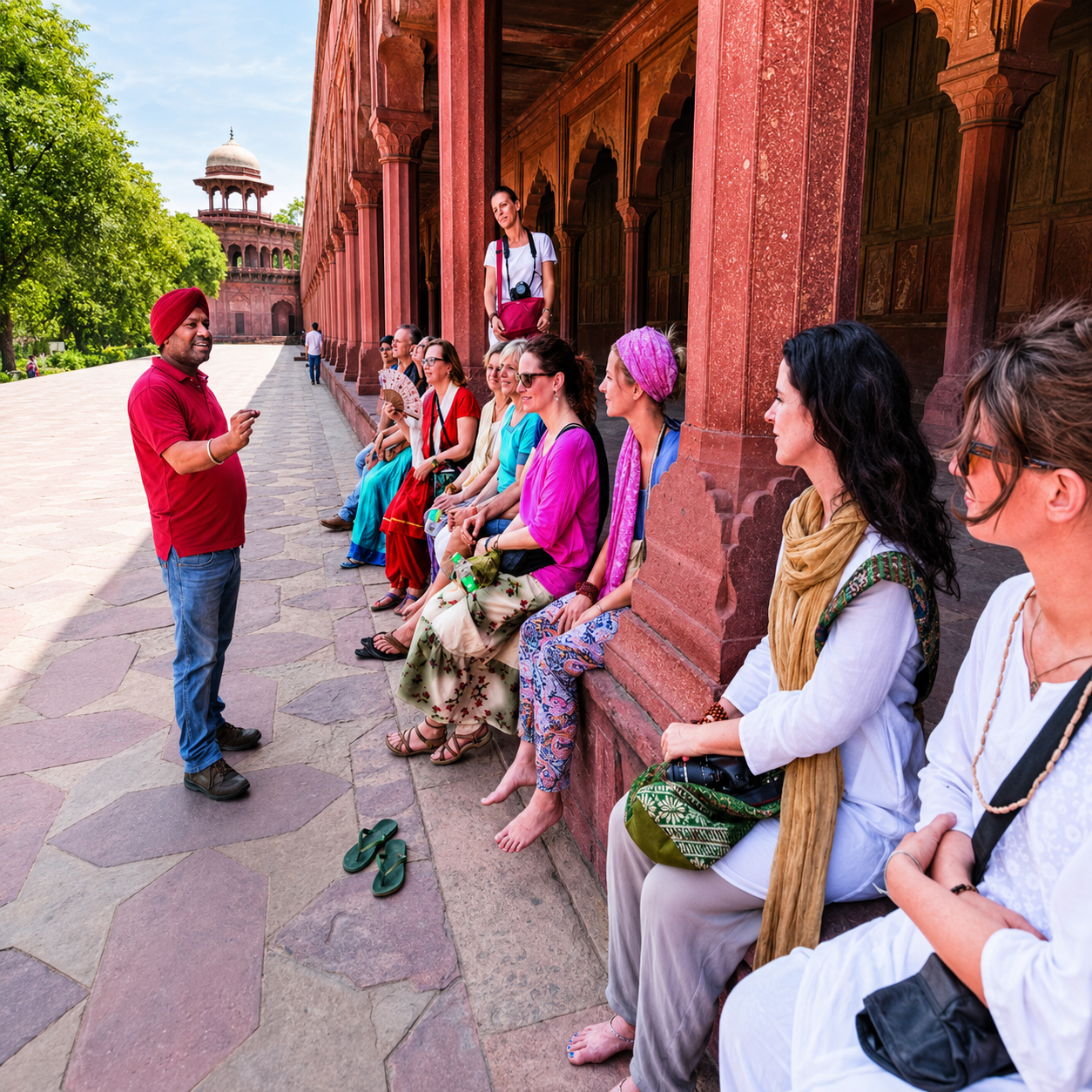
Travel today is about more than sightseeing. Increasingly, people seek authentic experiences that connect them with local history, traditions, and ways of life. This growing interest has fueled the rise of cultural tourism, one of the fastest-expanding segments of the global travel industry.
Cultural tourism allows travelers to engage directly with heritage sites, museums, traditional arts, festivals, and local communities. Rather than merely observing destinations, visitors seek meaningful experiences that deepen their understanding of different cultures.
Historic cities, ancient monuments, and cultural landscapes attract millions of tourists annually. Sites such as the Taj Mahal, Machu Picchu, and Great Wall of China serve as reminders of humanity’s remarkable achievements and shared history.
Beyond iconic landmarks, cultural tourism increasingly emphasizes local experiences. Travelers participate in craft workshops, culinary tours, traditional music performances, and community-led cultural activities. Such interactions provide valuable economic opportunities for local populations while preserving traditional knowledge and practices.
For many communities, cultural tourism has become an important tool for heritage conservation. Revenue generated from visitors often supports restoration projects, museum development, and cultural education programs. When managed responsibly, tourism can create incentives to protect historical sites and cultural traditions.
Nevertheless, balancing tourism growth with preservation remains a challenge. Excessive visitor numbers can place pressure on fragile heritage locations. Sustainable tourism practices are therefore essential. Responsible visitor behavior, community involvement, and effective conservation policies help ensure cultural assets remain protected for future generations.
Technology is also transforming cultural tourism. Digital guides, augmented reality experiences, and virtual exhibitions enhance visitor engagement while making cultural content more accessible. These innovations enrich learning experiences without diminishing authenticity.
The growing popularity of cultural tourism reflects a broader desire for meaningful human connections. Travelers increasingly value experiences that offer insight into diverse histories, customs, and perspectives. Through cultural exploration, people gain a deeper appreciation of both differences and common humanity.
As global interest continues to grow, cultural tourism has the potential to strengthen international understanding while supporting heritage preservation. By respecting and celebrating cultural diversity, travelers contribute to a world that values history, creativity, and shared human experiences.ty.