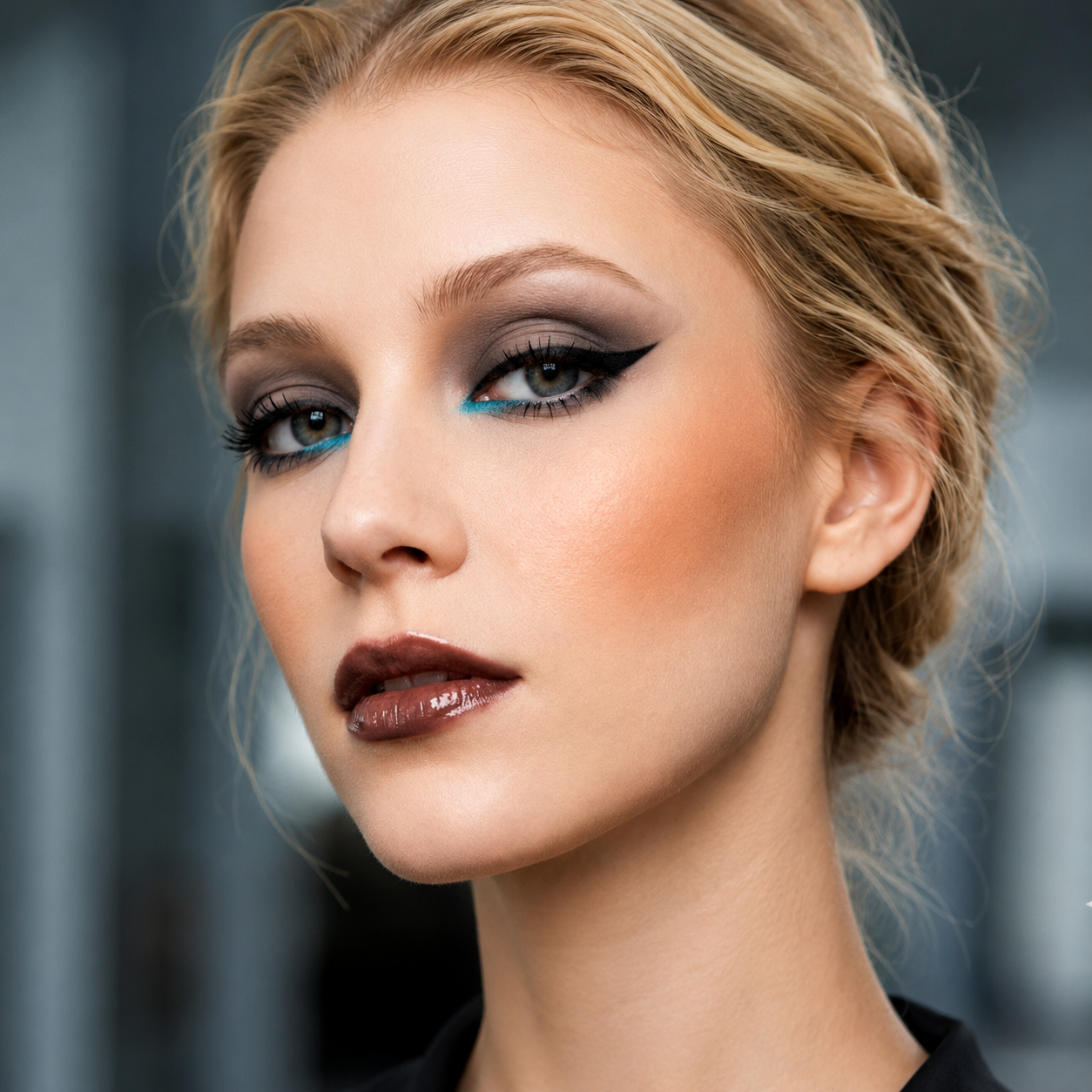
For years, beauty was synonymous with perfection. Sharp contours, flawless finishes, and lengthy routines dominated social media feeds and vanity tables alike. But in 2026, London is embracing a very different philosophy, one that values authenticity over symmetry and individuality over impossible standards.
Across the capital, a new generation of beauty enthusiasts is moving away from heavy coverage and embracing what industry insiders describe as “curated imperfection.” Rather than hiding every freckle and pore, the focus has shifted towards healthy skin, effortless textures, and makeup that enhances rather than transforms.
The change reflects a broader cultural mood. In a world increasingly shaped by filters and artificial intelligence, many Londoners are seeking something more genuine. Beauty is becoming less about creating an idealised image and more about expressing personality.
One of the clearest signs of this shift is the growing popularity of skin-first beauty. Traditional full-coverage foundations are gradually giving way to lightweight tints, nourishing oils, and barely-there bases that allow natural features to shine through. Instead of chasing a perfectly airbrushed finish, makeup lovers are prioritising hydration, comfort, and long-term skin health.
The trend has also encouraged people to simplify their routines. The once-popular ten-step regimen is losing its appeal as busy lifestyles push consumers towards a more practical
approach. Minimalism has become the new luxury. A handful of versatile products and a few minutes in front of the mirror are often enough to create a polished look.
This evolution was evident during London Fashion Week, where makeup artists placed mood and texture above precision. Softly blurred eyes, diffused colour, and naturally flushed cheeks dominated the runways. Sharp lines and dramatic contouring took a back seat, making room for looks that felt relaxed, modern, and lived-in.
Colour trends are equally reflective of London’s character. Deep berry tones, muted greys, dusty roses, and soft monochromatic palettes are defining the season. These shades offer a subtle sophistication that complements the city’s understated style. Rich cranberry hues create the impression of a natural flush, while misty eyeshadow shades bring softness without sacrificing impact.
Monochromatic makeup has emerged as one of the year’s standout trends. Using variations of a single colour across the lips, cheeks, and eyes creates a harmonious effect that feels effortlessly chic. Inspired by London’s architecture and atmospheric landscapes, the approach offers elegance without excessive complexity.
Efficiency is another key theme shaping the beauty industry. Consumers are increasingly seeking products that serve multiple purposes, reducing clutter while making routines more sustainable. Lip colours that double as blush, hydrating glosses with skincare benefits, and versatile complexion products are becoming staples in beauty bags across the city.
This shift towards simplicity also aligns with growing environmental awareness. By choosing multifunctional products and embracing a more intentional approach to consumption, consumers are helping to reduce unnecessary waste. Sustainability is no longer viewed as a niche concern; it has become an integral part of modern beauty culture.
Ingredients are receiving greater attention as well. Natural waxes, plant-based oils, and vegan formulations are increasingly preferred by consumers looking for products that perform effectively without compromising skin health. The emphasis is no longer solely on appearance but also on how products feel, function, and fit into everyday life.
The signature “London Girl” look perfectly captures this new attitude. Dewy skin, softly smudged eyes, natural brows, and subtle colour create an appearance that feels refined without appearing overly styled. It is a look built on confidence rather than perfection, a beauty philosophy that celebrates individuality instead of conformity.
Perhaps the most remarkable aspect of London’s beauty scene in 2026 is the growing influence of the community. Consumers are becoming active participants rather than passive buyers, shaping trends through feedback, conversations, and shared experiences. Beauty brands are listening more closely, creating products that reflect real lifestyles rather than unattainable ideals.
Ultimately, the future of beauty in London is not about chasing perfection. It is about embracing character, celebrating authenticity, and finding confidence in what makes each person unique.
In a city celebrated for its creativity and diversity, that approach feels not only refreshing but unmistakably London.