
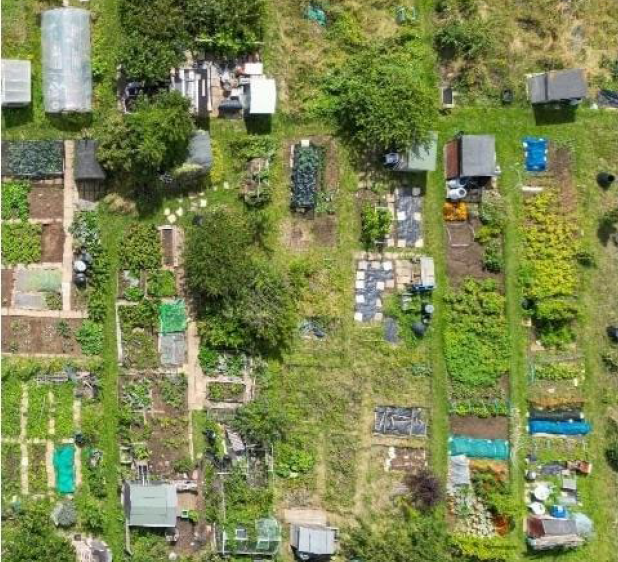
London is famous for its iconic skyline, historic landmarks, and fast-paced lifestyle. Every day, millions of people rush between offices, universities, cafés, and Underground stations, rarely slowing down. Yet hidden between the city’s busy streets lies one of its greatest strengths—its extraordinary network of parks, gardens, woodlands, and riverside trails. In 2026, these green spaces will no longer be viewed simply as beautiful places to visit. They are increasingly recognized as essential to London’s mental well-being.
As conversations around mental health continue to grow, Londoners are rethinking what self-care really means. While therapy, meditation apps, and fitness routines all have their place, many people are discovering that one of the most effective ways to recharge is surprisingly simple: spending time outdoors.

Across the capital, parks have become everyday wellness destinations rather than weekend attractions. Whether it’s an early morning walk through Hyde Park, a peaceful afternoon in Regent’s Park, or a sunset stroll across Hampstead Heath, nature is giving busy city life a much-needed pause button.
Health experts continue to highlight the powerful connection between green spaces and emotional well-being. Time spent outdoors can help lower stress, improve concentration, ease anxiety, and encourage a greater sense of calm. Even a short walk among trees or flowers can help people disconnect from constant notifications and reconnect with themselves.
This growing awareness has inspired several organizations across London to make nature a key part of well-being. Community programs now encourage residents to explore local parks, participate in guided walks, volunteer in conservation projects, and learn about wildlife while improving their own mental health. Rather than focusing only on treatment, these initiatives promote prevention by helping people build healthier daily habits.
One inspiring example is the continued success of nature-based well-being activities organized across London’s Royal Parks. Participants take part in birdwatching, gardening, meadow conservation, mindful walking, and outdoor learning sessions. These experiences do more than teach environmental awareness—they create opportunities for people to socialize, reduce feelings of isolation, and build confidence in a relaxed setting.
The idea is refreshingly simple. Instead of asking people to escape the city, London is bringing well-being into the city itself.
The popularity of outdoor mindfulness has also grown significantly. Instead of practicing meditation indoors, many Londoners now choose to sit beneath ancient trees, beside lakes, or among colorful flower gardens.
Listening to birdsong, feeling fresh air on their skin, and noticing seasonal changes has become a practical way to slow racing thoughts and improve focus.
Families are embracing the movement too. Parents are spending more time outdoors with their children, encouraging simple activities like nature walks, picnics, cycling, and wildlife spotting. These experiences not only improve physical health but also help children develop curiosity, confidence, and a lifelong appreciation for the environment.
Young professionals are joining in as well. With hybrid working becoming common, lunchtime walks, outdoor meetings, and work-from-park afternoons have become part of everyday life for many Londoners. Rather than seeing green spaces as places to visit occasionally, people are making them part of their regular routines.
Environmental awareness has strengthened this shift even further. Caring for parks, planting trees, supporting biodiversity, and volunteering in local conservation projects allow residents to improve both their surroundings and their own well-being. Many describe these activities as deeply rewarding because they create a sense of purpose while strengthening community connections.
Perhaps the greatest lesson London’s parks offer is that well-being doesn’t always require expensive memberships or complicated routines. Sometimes, the most meaningful form of self-care is as simple as stepping outside, breathing deeply, and allowing nature to do what it has always done—restore balance.
As London continues to evolve into a smarter and healthier global city, its green spaces are becoming more valuable than ever. They are not just places to escape the noise but places where resilience, happiness, and community quietly grow every single day.
In a world that rarely slows down, London’s parks remind us that sometimes the healthiest thing we can do is simply pause, look around, and let nature take the lead.