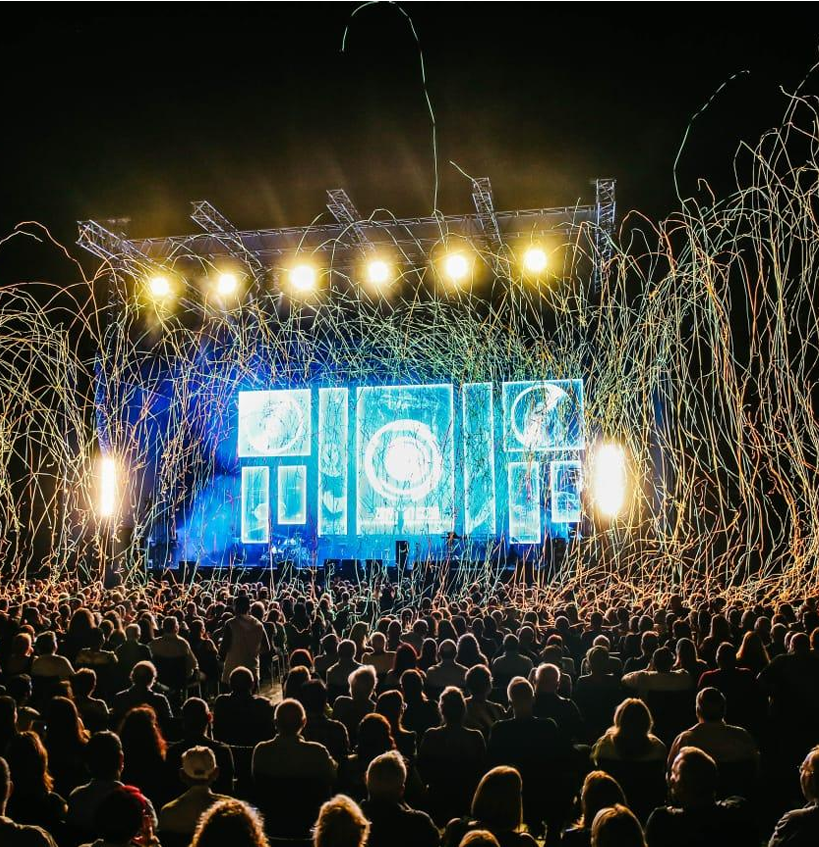
When summer arrives in the United Kingdom, something remarkable happens. Parks transform into concert grounds, open fields become temporary cities, and music lovers travel across the country chasing unforgettable performances. For a few months each year, the UK turns into a giant stage—and at the heart of this celebration stands London, a city whose cultural energy continues to influence the nation’s festival scene.
The summer of 2026 promises to be one of the most exciting festival seasons in recent memory. Although Glastonbury, Britain’s most famous music festival, is taking a fallow year, festival-goers have no shortage of alternatives. From massive outdoor concerts to intimate cultural gatherings, the season reflects the diversity and creativity that define modern British culture.
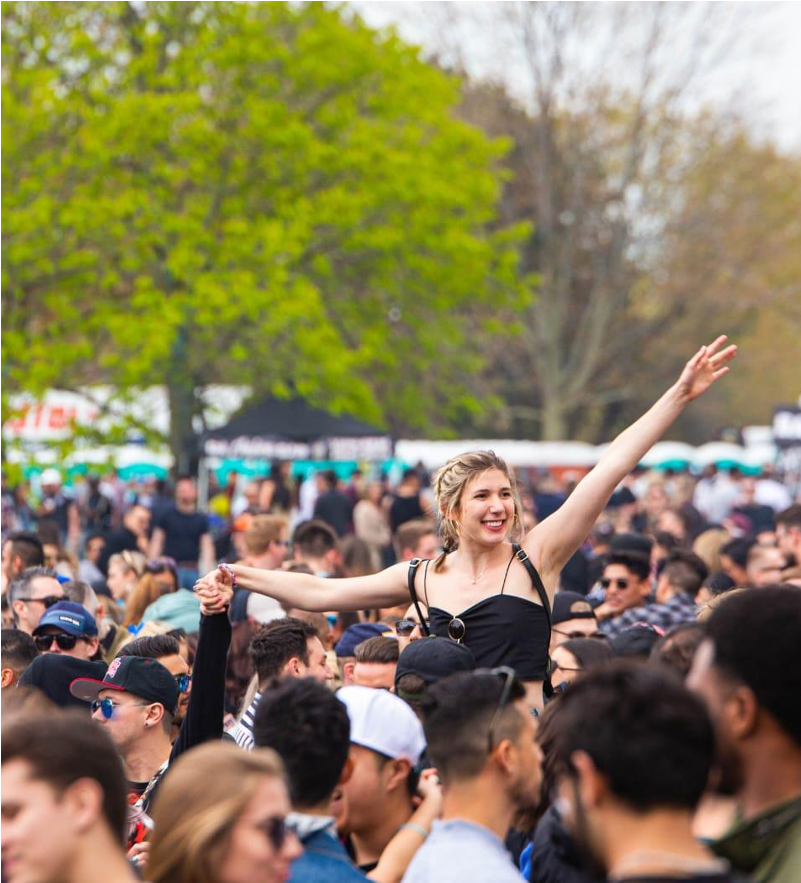
Music festivals have become much more than entertainment. They are cultural experiences that bring together people from different backgrounds, generations, and communities. In many ways, they capture the spirit of contemporary Britain—diverse, expressive, and constantly evolving.
London plays a central role in this story. Throughout the summer, the capital hosts some of the country’s most anticipated events. One of the biggest attractions is BST Hyde Park, where thousands gather beneath the city’s skyline to enjoy performances from internationally celebrated artists. The atmosphere combines the excitement of a major concert with the charm of one of London’s most iconic green spaces.
Equally popular is All Points East, held in Victoria Park. Known for blending mainstream stars with emerging talent, the festival attracts a younger audience eager to discover fresh sounds alongside established favorites. The event has become a symbol of London’s modern music identity—creative, inclusive, and forward-thinking.
Beyond the capital, the UK’s festival calendar offers something for every musical taste. Reading and Leeds Festivals remain a highlight for fans of contemporary music, while the Isle of Wight Festival continues to attract audiences with its mix of legendary performers and rising stars. Coastal festivals such as Boardmasters combine music with stunning scenery, creating experiences that feel like mini holidays as much as concerts.
For fans of rock and alternative music, Download Festival remains a summer favorite. Dance music enthusiasts flock to events such as Creamfields and Parklife, where electronic beats dominate the atmosphere. Meanwhile, festivals like Kendal Calling and Truck Festival celebrate indie music and provide a more relaxed, community-driven experience.
What makes the 2026 season particularly exciting is the arrival of new events and the return of familiar names. Lovebox returns after a lengthy break, while innovative festivals in locations along the River Thames and historic landmarks across the country are attracting attention from younger audiences seeking unique experiences.
The appeal of festivals extends beyond music. Many events now include comedy, literature, wellness activities, art installations, and food experiences. Festivals such as Latitude have embraced this wider cultural approach, creating spaces where creativity can be explored in many different forms. Visitors might spend the morning listening to a science discussion, the afternoon enjoying live music, and the evening watching a comedy performance.
This shift reflects changing expectations among younger generations. Today’s audiences often seek experiences rather than simply performances. They want connection, community, and memorable moments that can be shared both in person and online. Festivals have adapted by becoming immersive cultural spaces rather than traditional concert venues.
Social media has also transformed festival culture. A festival is no longer just about the headline act. It is about discovering hidden stages, exploring artistic installations, capturing memorable moments, and sharing the experience with a global audience. In many ways, festivals have become cultural destinations in their own right.
Perhaps that is why they remain such an important part of British life. They bring together people who may have different backgrounds, interests, and stories but share a common love for creativity and self-expression. For a few days, barriers disappear and music becomes a universal language.
As summer unfolds across parks, fields, and city streets, festivals will once again remind people why culture matters. They celebrate creativity, encourage connection, and create memories that last long after the final song ends.
In a world that often moves too fast, the UK’s festival season offers something refreshingly simple: the chance to come together, enjoy great music, and celebrate the joy of shared experiences. And nowhere captures that spirit better than London, where every summer feels like a soundtrack waiting to be played.