
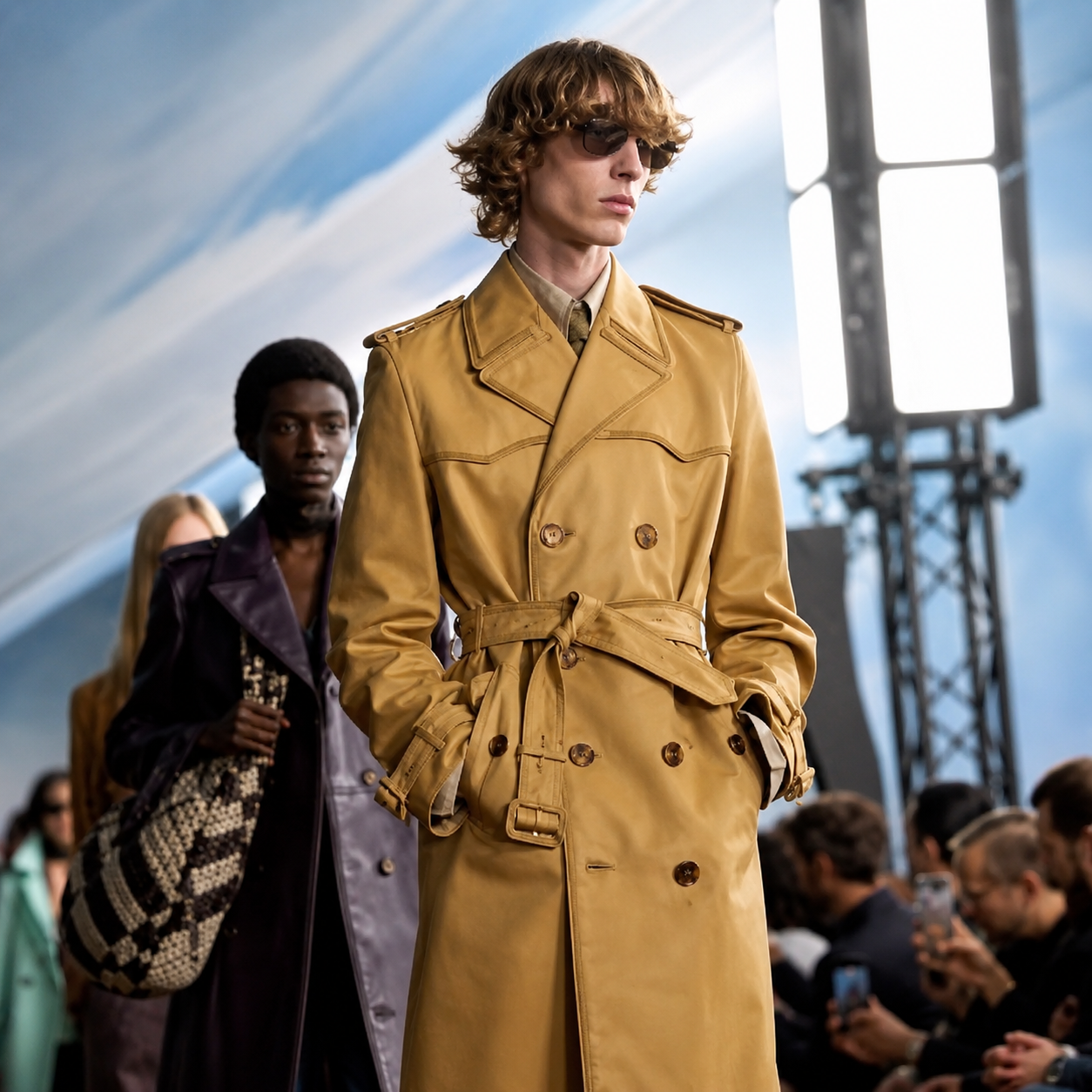
London Fashion Week 2026 Runway- Photo by Getty Images
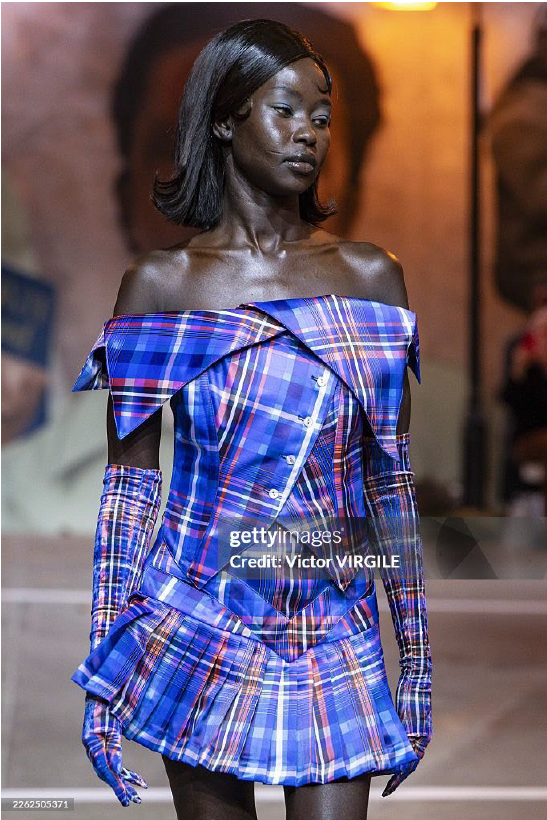
Creator: Victor VIRGILE
Image Credit: Victor VIRGILE
For decades, fashion has been driven by seasonal trends and ever-changing aesthetics. But at London Fashion Week 2026, a different conversation took centre stage. This season, innovation was measured not only by creativity but also by responsibility, as designers embraced a future where sustainability and style are no longer separate ideas but inseparable partners.
As one of the most influential events on the global fashion calendar, London Fashion Week has always been known for championing originality and pushing boundaries. This year, however, the spotlight shifted beyond silhouettes and colours to focus on something equally transformative: how fashion is made.
Under a new framework introduced by the British Fashion Council, participating collections were required to incorporate a minimum of 60 percent certified materials. The move marked a significant step forward, signalling that sustainability is becoming an integral part of fashion’s creative process rather than a side conversation. The result was a season where bio-based fabrics, upcycled materials, and transparent production methods stood proudly alongside timeless tailoring and classic craftsmanship.
One of the most compelling examples came from Ukrainian label Ksenia Schnaider. Long recognised for its innovative approach to denim, the brand once again demonstrated how circular fashion can be both contemporary and commercially appealing. By transforming second-hand and vintage denim into geometric patchwork pieces, the collection offered a fresh interpretation of a wardrobe staple. Rather than relying on new resources, the designer showed how existing materials could be reinvented into something modern and sophisticated.
Sustainability also took centre stage in the vibrant creations of Chopova Lowena. Known for its expressive designs and playful approach to fashion, the label embraced deadstock fabrics to create eclectic, multi-patterned garments. What might once have been considered waste became the foundation for bold and distinctive pieces.
Instead of treating sustainability as a limitation, the designers used it as a source of inspiration, proving that environmental consciousness and creativity can coexist effortlessly.
Among the season’s most talked-about collections was that of Vin + Omi, whose runway presentation blurred the line between fashion and environmental storytelling. Using materials including nettles, wood clippings, recycled aluminium, and fibres sourced from plants grown on the King’s Sandringham estate, the designers crafted garments that reflected a deeper connection with nature. Their collection served as a reminder that fashion can encourage people to rethink their relationship with the world around them.
Another standout moment belonged to Tolu Coker, whose work combined craftsmanship with environmental awareness. Building her collection around deadstock fabrics, she added richness through the use of natural dyes, creating pieces that were visually striking while maintaining a strong commitment to sustainability. Her designs demonstrated that responsible production does not require compromise. Instead, it can enhance storytelling and bring greater depth to the creative process.
Patrick McDowell offered yet another perspective on conscious fashion. Known for his elegant yet commercially accessible designs, the London-based designer focused on transparency and accountability. Every garment in his collection was produced locally and made to order, reducing unnecessary waste. Each piece was also accompanied by its own digital product passport, allowing consumers to understand the origins and journey of their clothing. In an era where buyers increasingly value authenticity and traceability, this approach highlighted how technology and craftsmanship can work hand in hand.
Collectively, these designers reflected a broader transformation taking place within the industry. Sustainability is no longer a niche concern reserved for a select group of brands. It is becoming embedded in the foundations of fashion itself. From deadstock textiles and natural dyes to circular design principles and made-to-order production, responsible practices are steadily reshaping how collections are conceived and presented.
This shift also mirrors changing consumer expectations. Today’s audiences are increasingly aware of the environmental impact associated with clothing production. Questions surrounding waste, carbon emissions, and ethical sourcing are influencing purchasing decisions, encouraging brands to adopt more transparent and sustainable models.
Alongside these developments, circular fashion continues to gain momentum. By extending the lifespan of garments through repair, recycling, and resale, the industry is gradually moving away from the traditional model of consumption. High-quality pieces are no longer viewed as disposable purchases but as investments designed to endure.
London Fashion Week 2026 demonstrated that the future of fashion does not belong solely to fleeting trends. Instead, it belongs to designers willing to challenge established systems and reimagine what luxury, creativity, and responsibility can look like.
If this season revealed anything, it is that sustainability is no longer simply influencing fashion, it is transforming it. And as London continues to lead conversations around innovation and conscious design, one thing has become increasingly clear: the next chapter of fashion will not be defined by speed but by purpose.