For years, artificial intelligence has been surrounded by debates about automation, misinformation, and the future of work. Yet, in the beauty industry, the conversation has taken a different direction. Instead of replacing creativity, AI is quietly transforming the way people understand and care for their skin. And in London, where beauty innovation and technology often move hand in hand, this shift is becoming impossible to ignore.
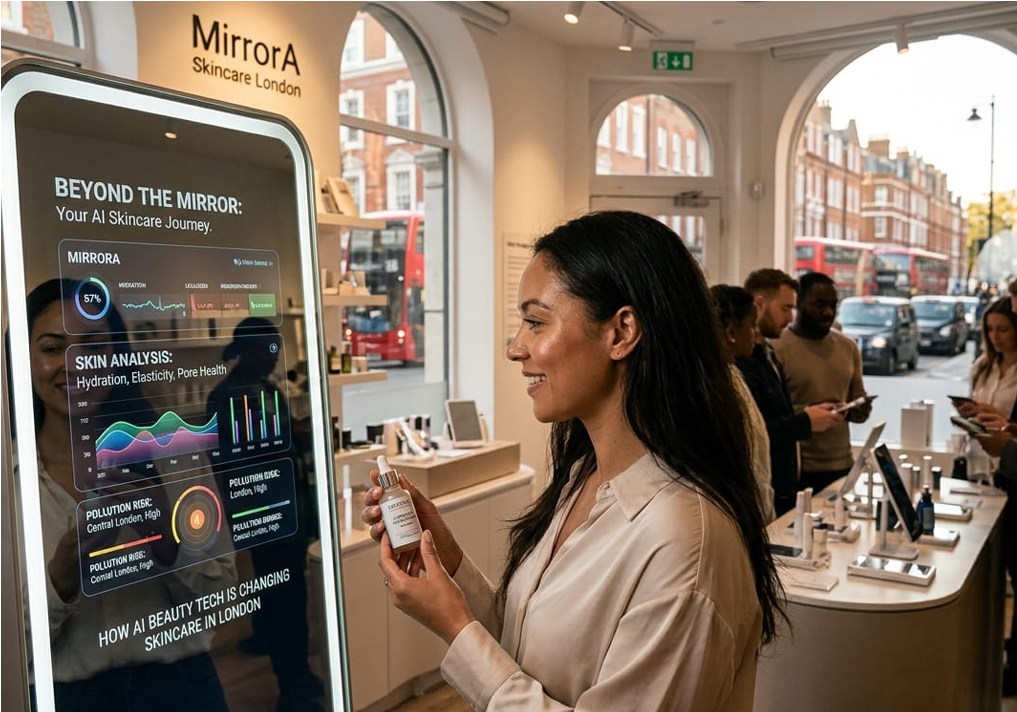
The idea of personalised skincare is nothing new. Consumers have long searched for products tailored to their individual needs, but technology is now taking that concept to another level. AI-powered tools are beginning to reshape the beauty experience, offering more customised routines and making advanced skincare solutions accessible beyond clinics and dermatologists’ offices.
The growing intersection between beauty and technology reflects a wider trend across London. As consumers become more informed and selective, they are increasingly seeking products and treatments that deliver results without unnecessary complexity. AI, despite being in its early stages within the skincare world, is emerging as one of the most exciting developments shaping the future of beauty.
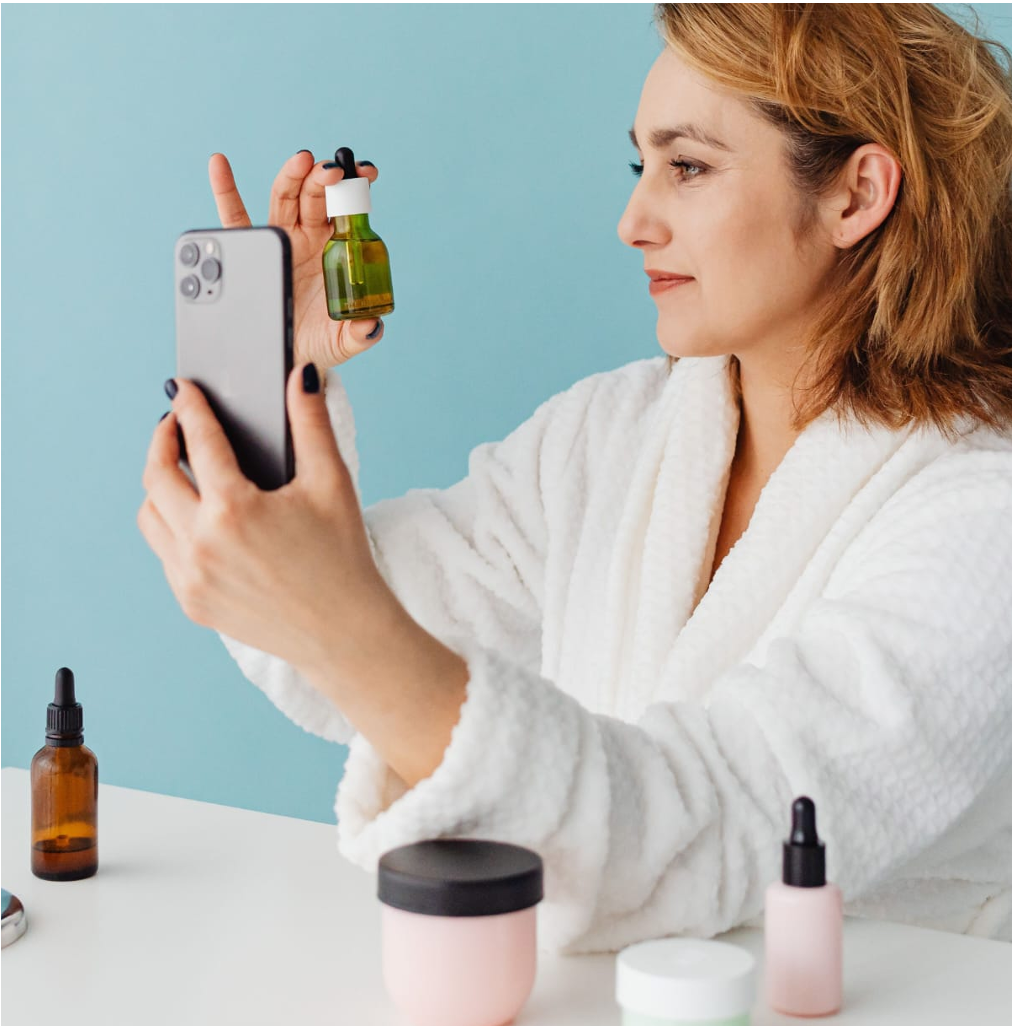
One of the biggest areas of innovation lies in skin analysis. Advances in image recognition and computer vision are opening the door to tools capable of assessing skin conditions and recommending products based on individual concerns. While experts emphasise that AI is not yet capable of replacing professional diagnosis, it is gradually becoming a useful companion in helping consumers better understand their skin.
This deeper level of personalisation represents a major shift from traditional skincare routines. Rather than relying on trial and error, consumers are beginning to embrace technology that can guide product selection and suggest more effective ways to use treatments. In a city like London, where busy lifestyles demand efficiency, this approach resonates strongly with modern beauty consumers.
The rise of at-home beauty devices is another sign of this changing landscape. Technologies that were once associated exclusively with specialist clinics are steadily making their way into everyday routines. LED masks, radiofrequency devices, microcurrent tools and body sculpting gadgets are no longer viewed as futuristic luxuries. Instead, they are becoming part of a growing movement towards self-care that combines convenience with scientifically backed results.
Accessibility is playing a major role in this evolution. Consumers are looking for solutions that fit seamlessly into their daily lives without requiring expensive or time-consuming appointments. As technology becomes more sophisticated, beauty routines are becoming increasingly personalised, practical, and user-friendly.
However, experts are careful to highlight the limitations that still exist. Artificial intelligence has not reached the stage where it can independently diagnose skin conditions such as acne, pigmentation or wrinkles. Medical decisions continue to require professional expertise and regulatory oversight. This distinction remains essential as the beauty industry navigates the balance between innovation and responsibility.
What makes this transformation particularly interesting is the shift in perception surrounding beauty itself. Consumers are moving away from one-size-fits-all solutions and embracing routines built around individual needs. Technology is no longer simply about creating more products; it is about creating smarter experiences.
London’s beautiful landscape has always been influenced by creativity, diversity and experimentation. Today, those qualities are being combined with digital innovation. From personalised product recommendations to adaptive beauty devices and virtual consultations, the city is witnessing the emergence of a more connected approach to skincare.
At the same time, discussions around ethics and sustainability continue to shape the conversation. Questions surrounding the environmental impact of AI infrastructure and the responsible use of technology remain important considerations. As beauty brands increasingly adopt AI-driven solutions, transparency and accountability are becoming just as valuable as innovation itself.
Perhaps the most fascinating aspect of this evolution is that it reflects a broader cultural shift. Consumers are no longer looking for perfection. Instead, they are seeking routines that are efficient, personalised and grounded in real results. Technology is becoming less about replacing human expertise and more about enhancing it.
In many ways, the future of skincare is not about machines taking over beauty. It is about creating tools that empower people to understand themselves better. London, with its reputation for embracing both creativity and innovation, is proving to be the perfect environment for this transformation.
As beauty enters a new digital era, one thing is becoming increasingly clear: the future of skincare will not simply be smarter. It will be more personal, more accessible, and, above all, more human.