
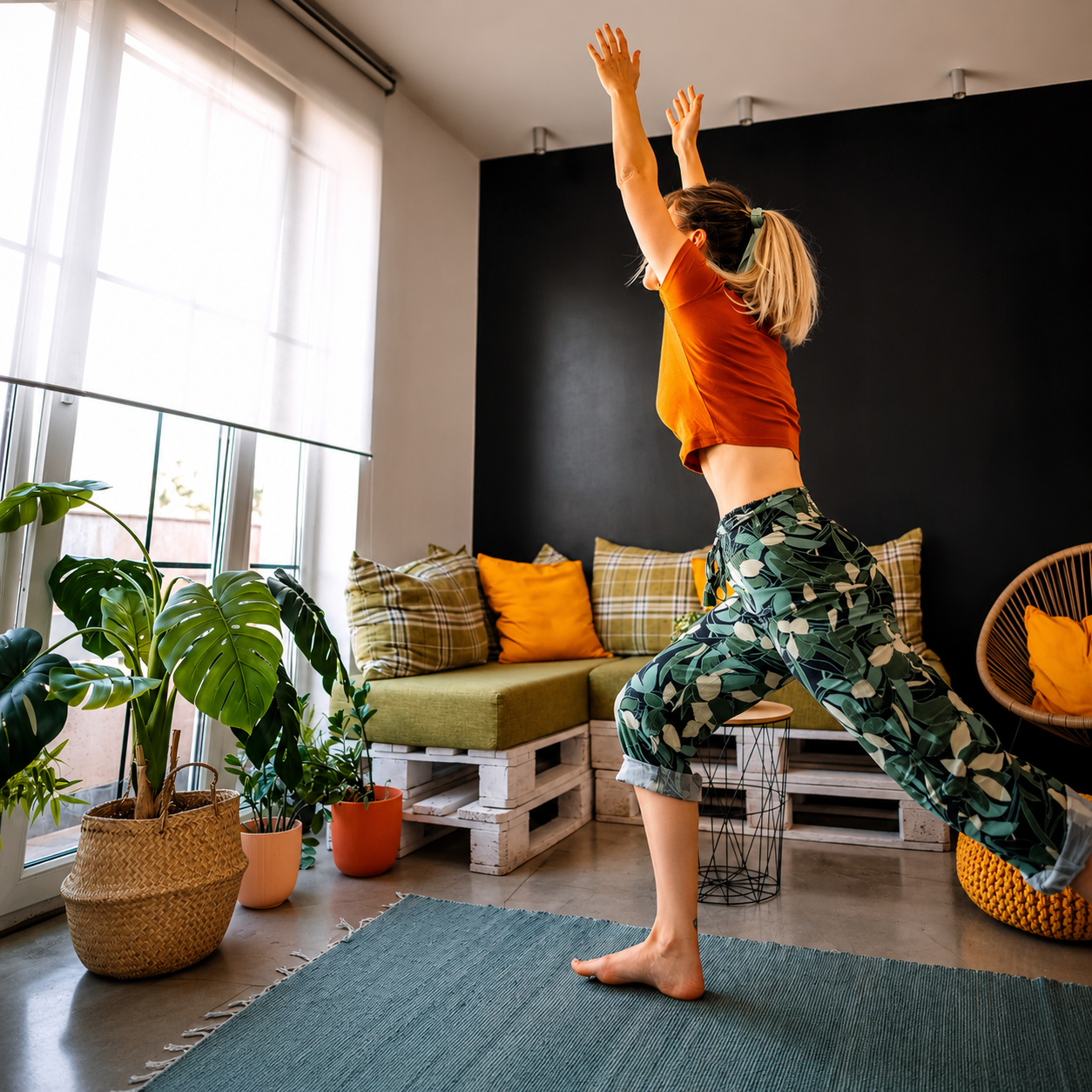
The home has evolved beyond being simply a place of residence. In recent years, it has become a workspace, fitness center, relaxation zone, and personal retreat. As people spend more time indoors, creating a wellness-focused home environment has become essential for maintaining physical and mental well-being.
A wellness-oriented home begins with thoughtful design. Natural light, proper ventilation, and organized spaces can significantly influence mood and productivity. Studies have shown that exposure to daylight supports better sleep patterns, enhances focus, and boosts emotional health.
Decluttering is one of the simplest ways to create a calming environment. Excessive clutter can contribute to stress and mental fatigue. Organizing living spaces and keeping only necessary items promotes a sense of order and tranquility.
Plants play a valuable role in enhancing indoor wellness. Houseplants not only add aesthetic appeal but can also improve air quality and create a stronger connection with nature. Popular options such as peace lilies, snake plants, and pothos are easy to maintain and beneficial for indoor environments.
Creating dedicated wellness zones within the home can further support healthy habits. A quiet reading corner, meditation space, or yoga area encourages relaxation and self-care. Even a small, thoughtfully arranged space can serve as a refuge from daily pressures.
Nutrition is another important aspect of home wellness. Stocking the kitchen with healthy ingredients and planning balanced meals can contribute to better physical health. Many people are also embracing home cooking as a way to reduce stress and foster creativity.
Work-life balance remains a significant challenge, particularly for remote workers. Establishing clear boundaries between professional and personal spaces helps maintain productivity while preventing burnout. A comfortable and ergonomic workspace is essential for long-term health.
Sound and scent can also influence well-being. Soft music, nature sounds, and aromatherapy using essential oils such as lavender or eucalyptus can create a more relaxing atmosphere. These sensory elements contribute to a feeling of comfort and restoration.
Ultimately, a wellness-focused home is not defined by luxury or expense. It is about creating an environment that supports physical health, emotional resilience, and personal happiness. By making intentional choices, individuals can transform their homes into sanctuaries that nurture both mind and body every day., creativity, and live interaction.