
Across civilizations, festivals have served as powerful expressions of identity, unity, and tradition. More than occasions for celebration, they reflect the values, beliefs, and histories that define communities.
Every culture has its unique festivals. Whether it is Diwali in India, Lunar New Year in East Asia, Carnival in Brazil, or Thanksgiving in North America, these events bring people together across generations. They create opportunities to strengthen family bonds, preserve customs, and celebrate shared heritage.
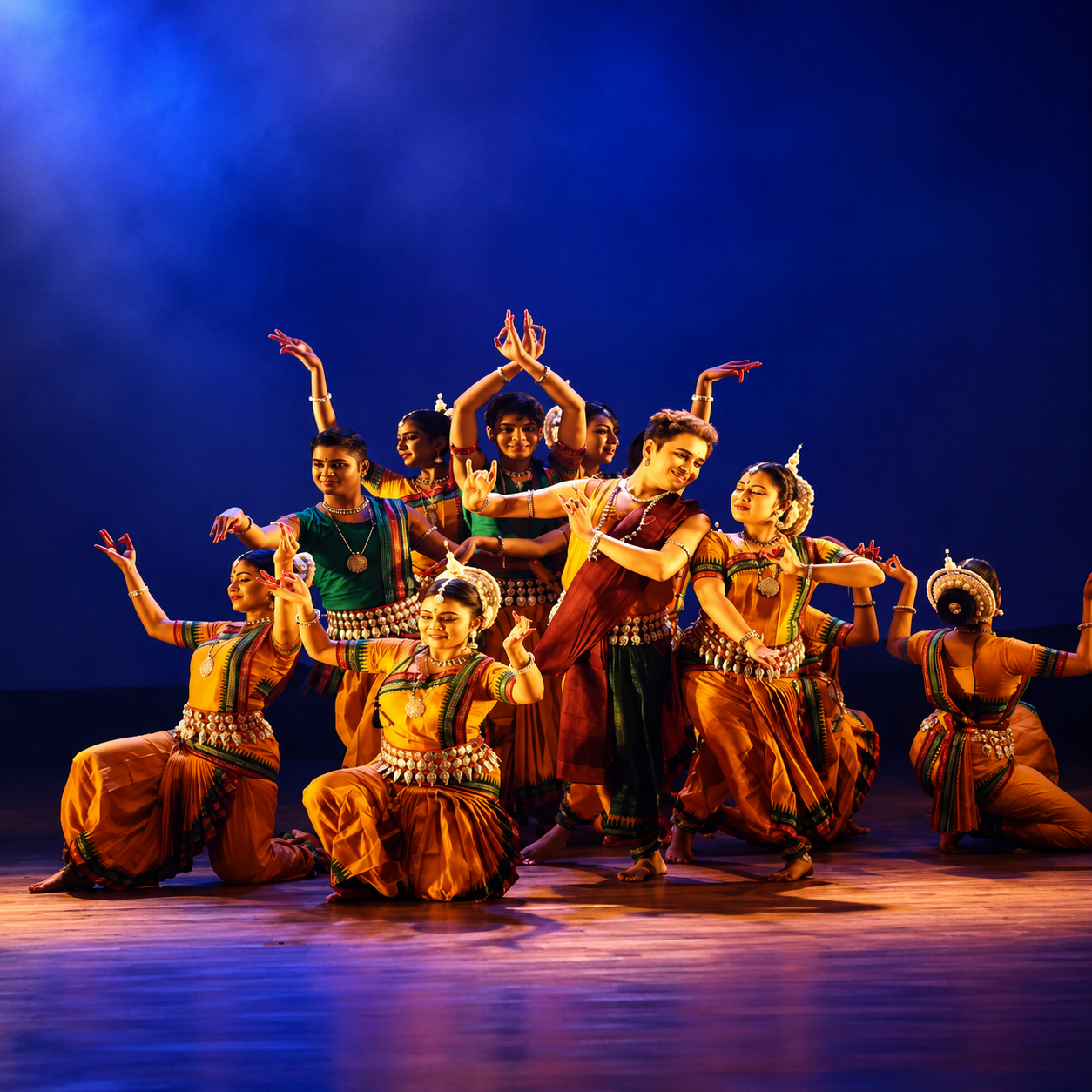
In India, festivals are deeply woven into everyday life. They represent a vibrant blend of spirituality, art, music, food, and social interaction. Streets come alive with decorations, traditional attire, and cultural performances. Communities gather to celebrate not only religious beliefs but also collective identity and belonging.
Festivals also contribute significantly to cultural education. Children learn traditional stories, rituals, and values through participation. Folk music, classical dance, regional cuisine, and local craftsmanship are showcased, ensuring cultural knowledge is passed from one generation to the next.
Beyond cultural preservation, festivals have substantial economic impact. Local artisans, performers, vendors, and small businesses often experience increased opportunities during festive seasons. Tourism also benefits as visitors travel to witness unique cultural celebrations and traditions.
Modern lifestyles, however, have introduced challenges. Urbanization and fast-paced routines can sometimes reduce participation in traditional practices. Yet many communities are finding creative ways to adapt. Hybrid celebrations, cultural workshops, and digital broadcasts are helping festivals remain accessible to younger audiences.
Importantly, festivals promote inclusivity and intercultural understanding. In increasingly diverse societies, people from different backgrounds often participate in each other’s celebrations. Such exchanges foster respect, curiosity, and social harmony.
The enduring popularity of festivals demonstrates their significance beyond entertainment. They provide moments of reflection, gratitude, and connection. In a rapidly changing world, they remind individuals of their roots while encouraging collective celebration of human diversity.
Ultimately, festivals are living expressions of culture. They preserve memories of the past, strengthen communities in the present, and inspire future generations to cherish their cultural inheritance.g the richness and beauty of global heritage for the future.